Physics 01
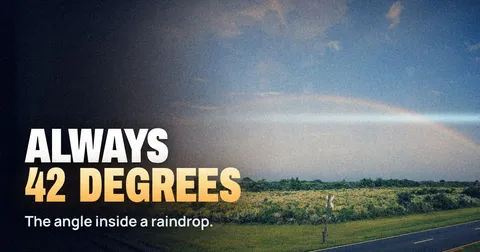
Why Is a Rainbow 42 Degrees? Descartes' Math Explained
A rainbow sits 42° from the point opposite the Sun because rays leaving a raindrop pile up at a turning point. Derivation, worked numbers and computed plots.
A rainbow sits 42° from the point opposite the Sun because rays leaving a raindrop pile up at a turning point. Derivation, worked numbers and computed plots.
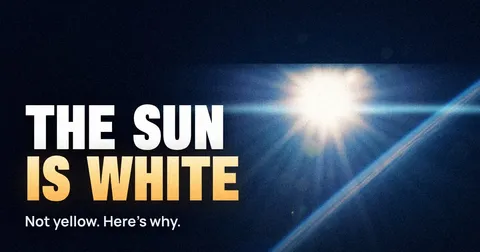
The Sun is white: a 5772 K spectrum excites all three cone types almost equally. Why it peaks near green but never looks green, and why it turns orange.
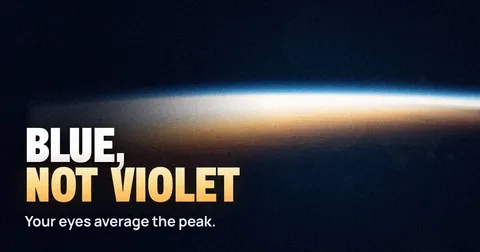
Skylight carries more violet than blue, yet the sky looks blue. We compute the scattered spectrum and run it through human cone data to show why.
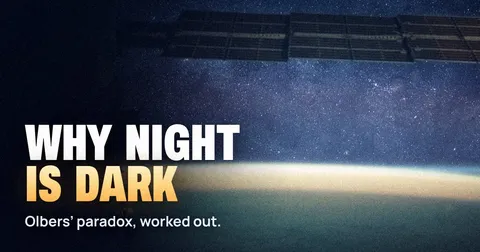
In an infinite, eternal universe every sightline ends on a star and the sky would blaze like the Sun. The math of Olbers' paradox and the real answer.
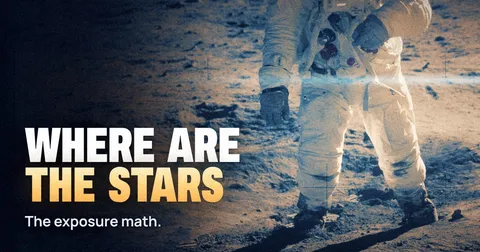
Why are there no stars in Moon landing photos? We run the exposure numbers for the Apollo Hasselblads and show which photos do catch Venus and stars.
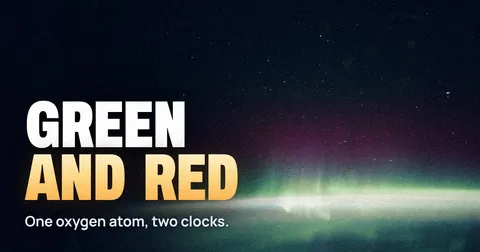
Green and red auroras come from the same oxygen atom. A 0.75 s vs 134 s lifetime and air density decide which colour wins. The physics, with worked numbers.
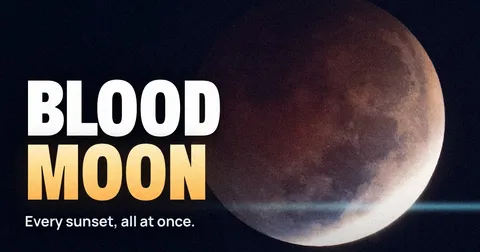
Earth's air bends sunlight 1.1° into its shadow and strips the blue on the way. A worked model of the red Moon, the blue rim and why volcanoes darken it.
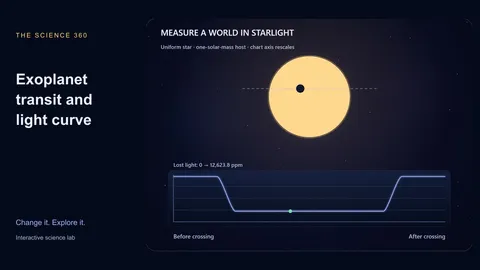
Infer a planet-to-star radius ratio from a transit light curve, compare Earth and Jupiter signals, and explore why grazing transits need more care.
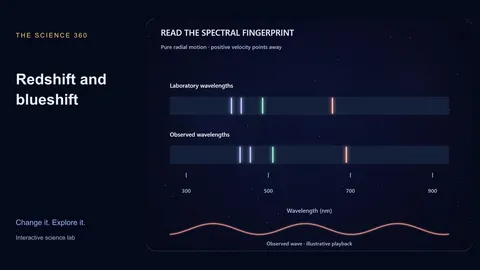
Measure a hydrogen line’s Doppler shift, distinguish fractional and absolute wavelength changes, and solve a synthetic mystery spectrum.