Environment 01
Why Are Sunsets Red, and Why Are Mars Sunsets Blue?
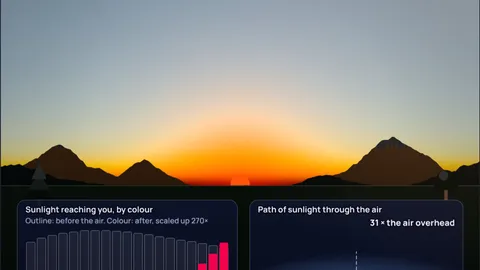
A setting Sun shines through 38 times more air, which strips out 99.98% of its blue. On Mars, dust does the opposite. The physics and the numbers.
A setting Sun shines through 38 times more air, which strips out 99.98% of its blue. On Mars, dust does the opposite. The physics and the numbers.
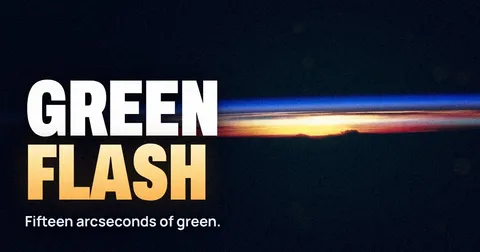
Every sunset has a green rim, but it is 4 to 8 times too thin to see. We compute the refraction and dispersion, and show why mirages make the flash visible.
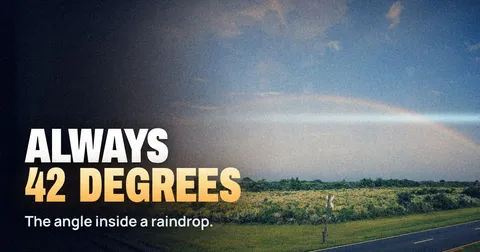
A rainbow sits 42° from the point opposite the Sun because rays leaving a raindrop pile up at a turning point. Derivation, worked numbers and computed plots.
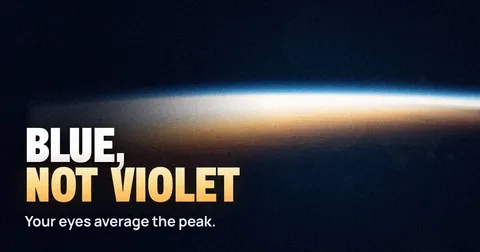
Skylight carries more violet than blue, yet the sky looks blue. We compute the scattered spectrum and run it through human cone data to show why.
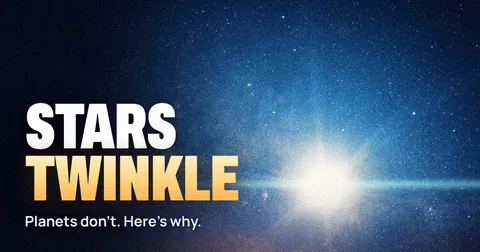
Stars twinkle because they are points that cross one 7 cm air patch at a time. Planets span hundreds of patches. Here is the arcsecond math, with figures.
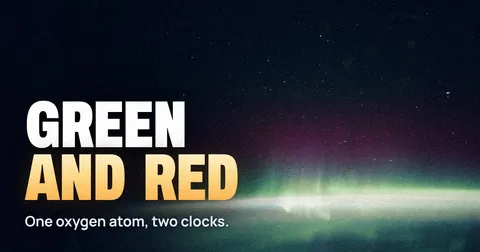
Green and red auroras come from the same oxygen atom. A 0.75 s vs 134 s lifetime and air density decide which colour wins. The physics, with worked numbers.
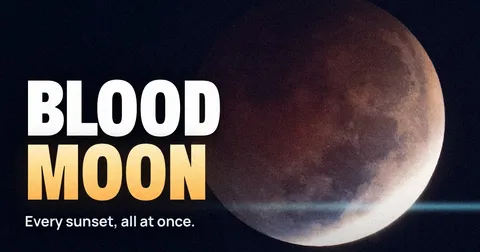
Earth's air bends sunlight 1.1° into its shadow and strips the blue on the way. A worked model of the red Moon, the blue rim and why volcanoes darken it.
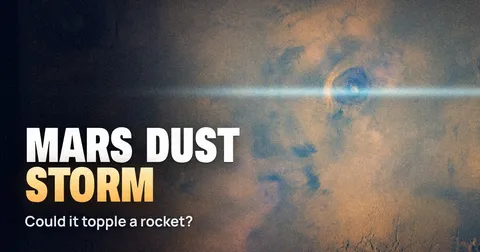
A 100 km/h Martian storm pushes like a 12 km/h breeze on Earth. We run the tipping math for a 50 m rocket and find what Mars dust really threatens.
A star can look restless while its light is steady. Follow the light through moving air, see why planetary disks average out much of the effect, and try a careful skywatching comparison.