One hour of astrophotography: why 240 short exposures can differ from six long ones
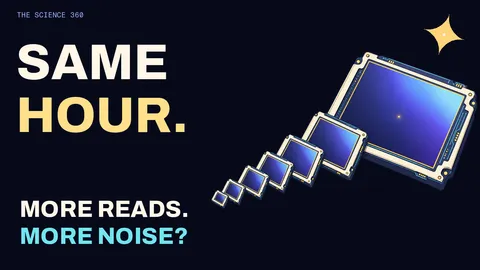
A reproducible Python noise budget compares equal total exposure times in two illustrative regimes—and shows why longer is not automatically better in the field.
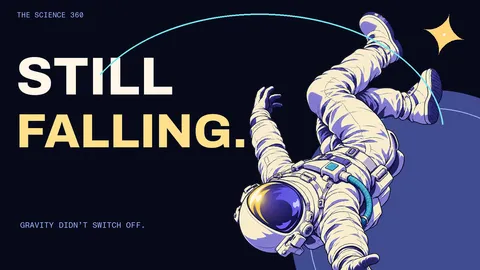
The station, crew and loose objects fall together. Weightlessness is about the missing support force, not gravity switching off above the atmosphere.
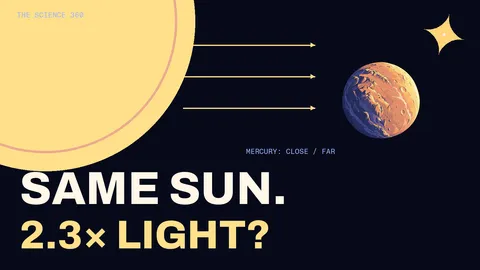
The same inverse-square calculation gives Earth about a 7% close-to-far sunlight increase and Mercury about 130%. Reproduce all eight comparisons.
A star can look restless while its light is steady. Follow the light through moving air, see why planetary disks average out much of the effect, and try a careful skywatching comparison.
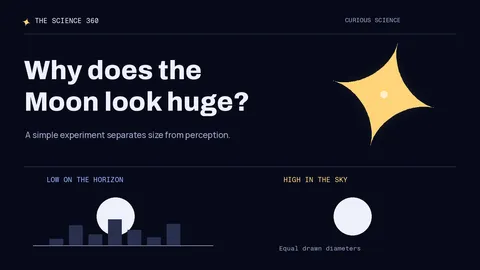
The Moon illusion feels convincing. A controlled photo comparison separates perception from orbital size changes, colour, and atmospheric distortion.
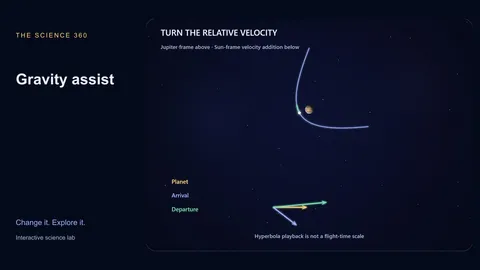
Resolve the gravity-assist puzzle by comparing planet-relative and Sun-relative velocities during a simplified Jupiter flyby.