ElevenLabs v4 vs v3: a controlled test with the same stock voice
Does ElevenLabs v4 improve the recording you actually need, or simply produce a different performance? A useful comparison needs the same voice, the same script, repeat attempts, and measurements that mean something.
I generated four recordings with George, a premade British narrator: two using Eleven v3 and two using Eleven v4. Then I checked their durations, decoded signals, and automated transcripts. You can play or download all four recordings below and inspect the evidence yourself.
The question and hypothesis
ElevenLabs describes v4 as more consistent across generations and better at following audio directions. Its release announcement also reports improvements in pronunciation and request stitching. Those are the manufacturer’s claims.
The exploratory hypothesis is narrower: with the input held constant, v4 would produce less variation in playback duration between takes, while retaining the script’s wording. That tests timing repeatability and text retention. It cannot establish whether a performance sounds human.
The measurements below were chosen after generation. This was not a preregistered experiment, and I did not run a statistical significance test.
Controls and procedure
The independent variable was the selected model. I kept the stock George voice, script, connector, and delivered audio format constant. The connector used its defaults and did not expose seeds or detailed stability settings. That leaves some internal settings uncontrolled.
Both models received this 636-character script, containing 93 words once bracketed directions are removed. It combines an observatory announcement, prices and dates, difficult names, a dramatic exchange, and a repeated opening.
The performance section includes:
[curious] Did you hear that? [whispers] There is someone outside the door. [door slams] [startled] Wait. Was that the wind? [relieved] Oh, it is only the caretaker.
Edinburgh, Worcestershire, NGC 1300, and minus twenty degrees Celsius supplied pronunciation challenges. Repeating the opening provided a reference for later listening checks on vocal identity.
I kept every take. All four files are unedited mono MP3s at 44.1 kHz. No personal clone, background music, or processing was added.

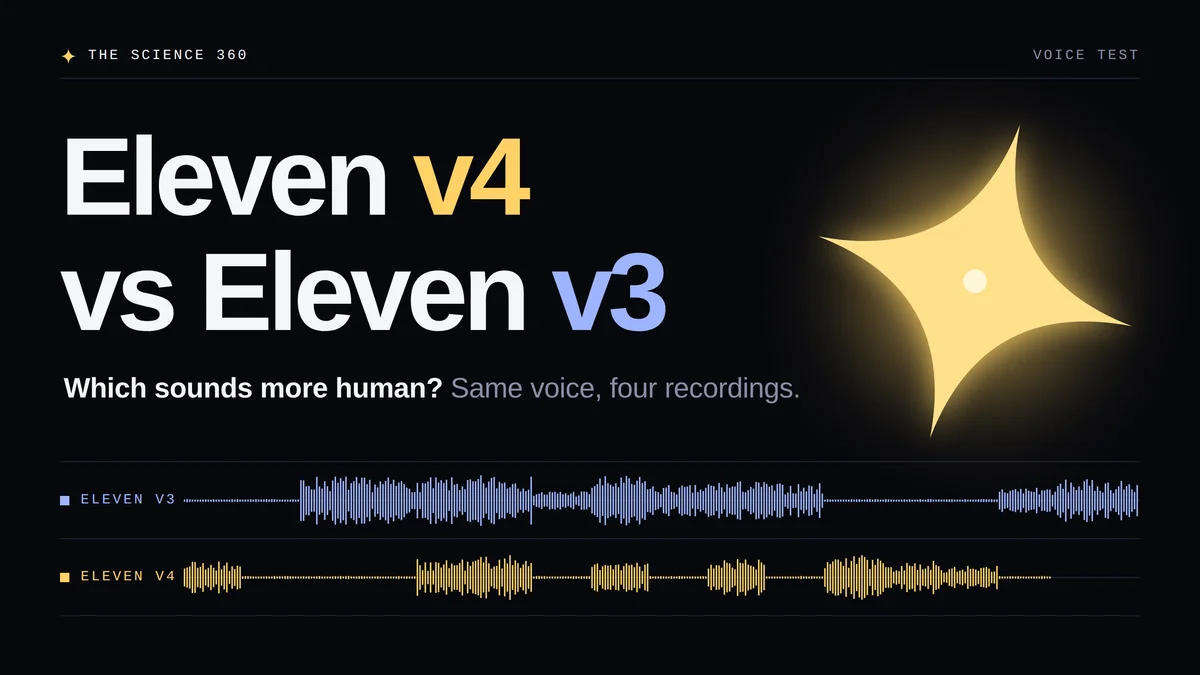
Figure 1. Individual observations and recorded signals. Waveforms show sample minima and maxima in 50 ms bins, without amplitude normalization.
The recordings
Choose a take, then press Play. These are the original recordings; their signal levels differ.
My listening impression
Personally, I found v4 had a wider emotional range and followed the delivery instructions better than v3. That is the improvement I care about most for expressive narration. This is my listening impression with George and this script, rather than a result from a blinded listener panel.
Measurements and observations
I measured file duration with ffprobe, then decoded each file with ffmpeg for analysis in NumPy. Average signal level uses RMS, expressed in dBFS relative to digital full scale.
For a separate low-level audio measurement, I divided the signal into 20 ms frames. I counted contiguous runs below minus 40 dBFS lasting at least 200 ms. This rule is reproducible, but quiet speech can satisfy it too. It is not a direct count of pauses.
| Observation | v3, take 1 | v3, take 2 | v4, take 1 | v4, take 2 |
|---|---|---|---|---|
| File duration, seconds | 47.52 | 49.28 | 44.72 | 44.72 |
| RMS level, dBFS | -20.07 | -19.91 | -23.64 | -23.61 |
| Low-level runs, total seconds | 14.58 | 16.18 | 10.02 | 9.94 |
Mean playback duration was 48.40 seconds for v3 and 44.72 for v4. The v4 samples were 3.68 seconds shorter on average, a 7.6% difference. That is a difference in recording length, not generation speed.
The observed duration range was 1.76 seconds for v3 and zero for v4. This is consistent with the timing hypothesis in these samples. Two observations per model cannot establish a general repeatability advantage. Different SHA-256 hashes confirm that the equally long v4 files are different files.
Low-level runs occupied 30.68–32.83% of v3 recordings versus 22.23–22.41% for v4 recordings. Their overall RMS levels were lower, however. Lower RMS does not automatically mean quieter perceived speech, and neither measurement establishes better acting. A listening study should match perceived loudness before collecting preferences.
This script mixes several tasks, so a shorter recording cannot be attributed to the whisper, punctuation, or scene transition alone. A follow-up should compare plain narration with the identical passage containing just one added direction, making specific instruction failures easier to identify.
Did either model lose words?
I transcribed the latest take from each model using ElevenLabs Scribe. After removing bracketed labels, punctuation, capitalization, and repeated whitespace, both transcripts matched the input text.
That supports wording retention in this automated check. It does not verify pronunciation or successful direction following. The returned transcripts retained bracketed labels, so I did not treat those labels as evidence that a whisper or door slam occurred.
Scribe is also another ElevenLabs model, not an independent human evaluator. Shared errors remain possible. I therefore did not convert this check into a claim of perfect speech accuracy.
What remains untested?
A stronger follow-up would use several voices and scripts, with more independent generations. Listeners would receive randomized, anonymous, loudness-matched clips and score pronunciation, tag execution, naturalness, and speaker consistency separately.
The repeated passage could support a speaker-similarity analysis, but equal file lengths cannot substitute for that measurement. This study also says nothing about multilingual quality or audiobook stitching.
For context, current model documentation lists 90+ languages for v4 and 70+ for v3. Language coverage was not tested here. Neither was v4 Turbo’s reported latency; offline file analysis cannot measure streaming response time.
My conclusion
My preference is v4 for its emotional range and instruction following. The measurements add a separate finding: shorter recordings, matching take lengths, and matching automated wording in this small sample. Together, they make v4 my choice for this script, without establishing that every voice or project will improve.
You can try ElevenLabs here. Compare a script you would actually publish, keep the failed attempts, and judge the performance alongside the measurements.